2026-10-09 · Mike Schmidt
What to Check After a Basement Sewage Backup in La Crosse
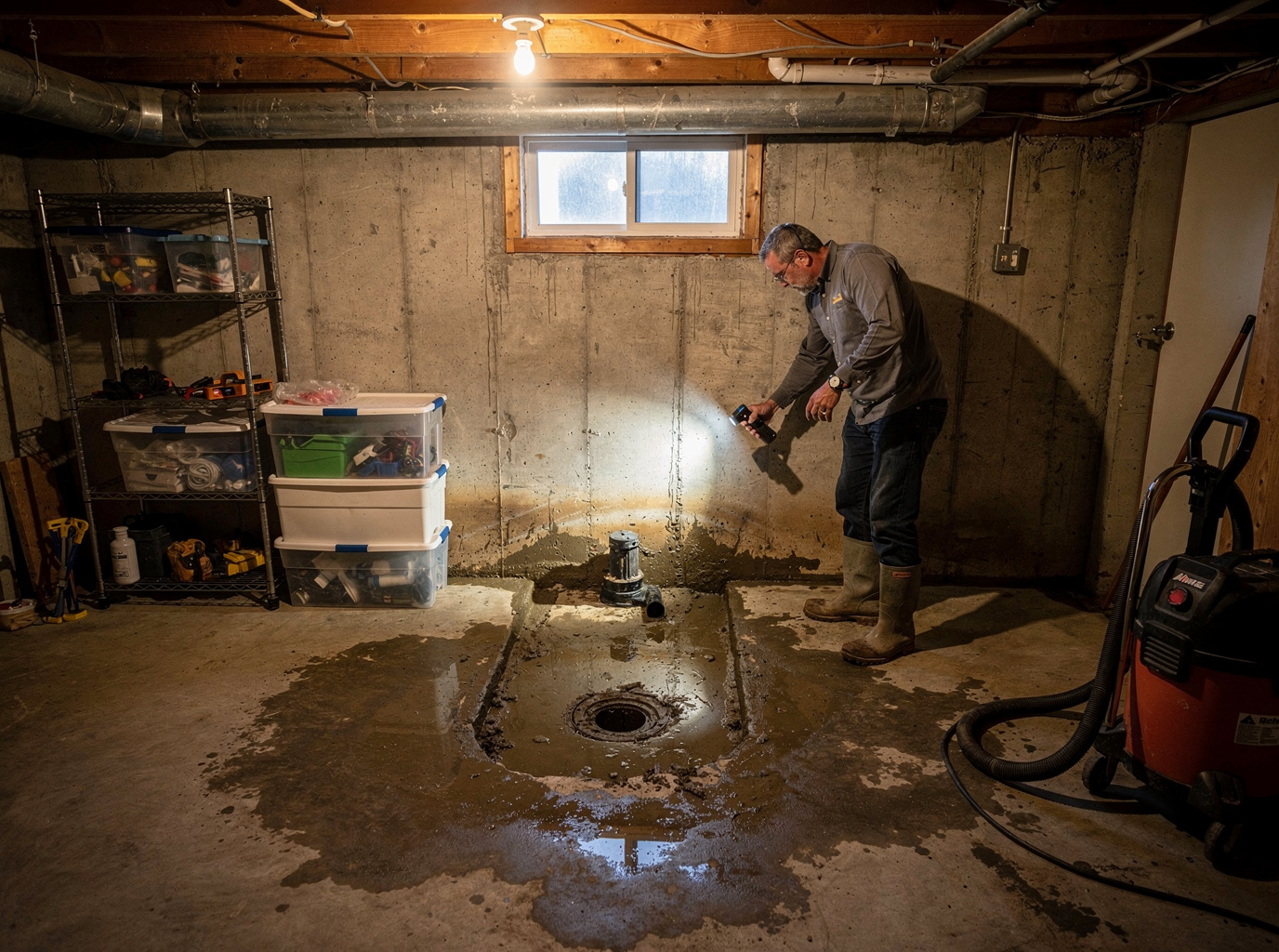
After a basement sewage backup in La Crosse, the first and most critical step is to prioritize safety and immediately identify the source of the problem to prevent further contamination. This initial assessment involves checking for electrical hazards, turning off the main water supply if the backup is from a burst pipe, and ensuring proper ventilation. Once the immediate danger is addressed, you'll need to systematically evaluate the extent of water intrusion, identify all contaminated materials, and begin the process of containment and cleanup. Ignoring even small details can lead to significant health risks and long-term structural damage, especially in homes in areas like Downtown or the North Side, where older plumbing systems might be more susceptible to issues. Given La Crosse's humid continental climate, any lingering moisture can quickly foster mold growth, compounding the problem.
Immediate Safety and Source Identification
The very first thing to check after discovering a sewage backup in your La Crosse basement is the immediate safety of the environment. Raw sewage contains harmful bacteria, viruses, and other pathogens, posing serious health risks. Do not enter the flooded area without proper personal protective equipment (PPE), including rubber boots, gloves, and a mask. Next, locate your main electrical panel and turn off the power to the affected area to prevent electrocution, as water and electricity are a dangerous combination. If the backup is from a burst pipe or an overflowing fixture, try to locate and shut off the main water supply valve to stop the flow. This initial step is paramount, especially in older homes common in the South Side, where wiring might not be up to modern standards. Identifying the source—whether it's a municipal sewer line issue, a clogged drain, or a failing sump pump—is crucial for preventing recurrence and for informing your cleanup strategy. Sometimes, heavy rains, common during La Crosse's warm summers, can overwhelm sewer systems, leading to backups.
Assessing the Extent of Water Contamination
Once the immediate safety concerns are addressed, you need to thoroughly assess how far the sewage has spread and what materials it has contaminated. This involves carefully observing the water line on walls, checking under carpets, and inspecting any stored items. Sewage is categorized as "Category 3" water, meaning it's grossly contaminated and poses a significant health threat. Any porous materials that have come into contact with sewage—such as carpeting, upholstered furniture, drywall, insulation, and even some types of wood—must be considered unsalvageable and safely removed. Non-porous items, like metal tools or plastic bins, may be salvageable after thorough cleaning and disinfection. Documenting the affected areas with photos or videos will be invaluable for insurance claims and for ensuring no contaminated spots are overlooked during cleanup. This detailed assessment is a critical step before any actual cleanup can begin, setting the stage for effective <a href="/services/sewage-water-removal">sewage water removal</a>.
Identifying and Removing Contaminated Materials
After assessing the contamination, the next check involves systematically identifying and removing all materials that cannot be safely cleaned and disinfected. This is a labor-intensive but absolutely necessary step. Start with items like carpets and padding, baseboards, and any drywall that absorbed sewage. In older La Crosse basements, especially around Riverside Park, you might find older insulation types that are particularly absorbent and must be discarded. Use heavy-duty trash bags to double-bag contaminated materials to prevent further spread of pathogens. Remember, the goal is not just to dry out the area, but to eliminate all sources of contamination. Failing to remove all affected porous materials can lead to persistent odors, mold growth, and ongoing health risks. This phase often requires specialized tools and expertise to ensure safe handling and disposal, highlighting why many La Crosse residents opt for professional help.
Structural Integrity and Hidden Damage Checks
Beyond the visible mess, a sewage backup can compromise the structural integrity of your basement. You need to check for swelling or warping of wooden support beams, subflooring, and wall studs. While less common in newer constructions, older homes in the La Crosse area might have wooden elements more susceptible to water damage. Also, inspect for cracks in the foundation walls or floor, as prolonged water exposure can exacerbate existing weaknesses. Pay close attention to areas where pipes enter the foundation, as these can be points of vulnerability. Even after the water is removed, moisture can linger in hidden cavities, leading to rot and mold. This is where professional moisture meters become invaluable for detecting hidden dampness. Addressing these structural concerns early can prevent much more costly repairs down the line, especially in a region like La Crosse County where cold winters can exacerbate water damage.
HVAC System and Appliance Inspection
A critical, often overlooked, check after a basement sewage backup is the condition of your HVAC system and any appliances located in the basement. If your furnace, water heater, or air conditioning unit were submerged or came into contact with sewage, they can become a source of pathogen dispersal throughout your home if not properly cleaned and disinfected by a qualified technician. Do not attempt to operate any electrical appliances that have been exposed to sewage until they have been professionally inspected. This includes washing machines, dryers, and freezers. The internal components can harbor bacteria, and the electrical systems can be severely damaged, posing fire or electrocution hazards. Even if only partially submerged, the risk of contamination and malfunction is high. For guidance on addressing this, especially in the context of broader cleanup, you might find our <a href="/services/sewage-sanitization-and-disinfection">sewage sanitization and disinfection</a> service helpful.